October 7, 2025
The modern healthcare ecosystem generates massive volumes of data daily — from electronic health records (EHRs) and diagnostic images to wearable device readings and genomics data. Traditional analytics tools can no longer handle this scale and complexity.
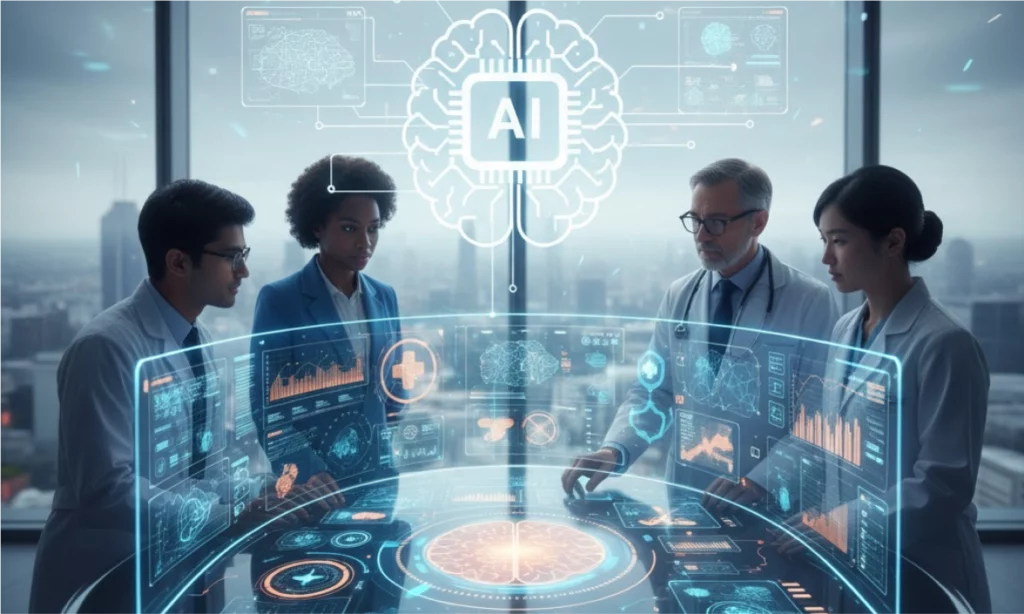
That’s where AI and ML come in. These technologies enable healthcare providers to:
In essence, AI and ML transform healthcare data into actionable intelligence that improves both patient outcomes and organizational performance.

AI models can analyze patient data to predict the likelihood of diseases such as diabetes, heart conditions, or cancer — often before symptoms appear. By identifying at-risk individuals early, healthcare providers can take preventive action, reducing long-term costs and improving quality of life.
Example: Predictive analytics platforms use patient history, genetic data, and lifestyle factors to forecast chronic disease risks and recommend preventive interventions.
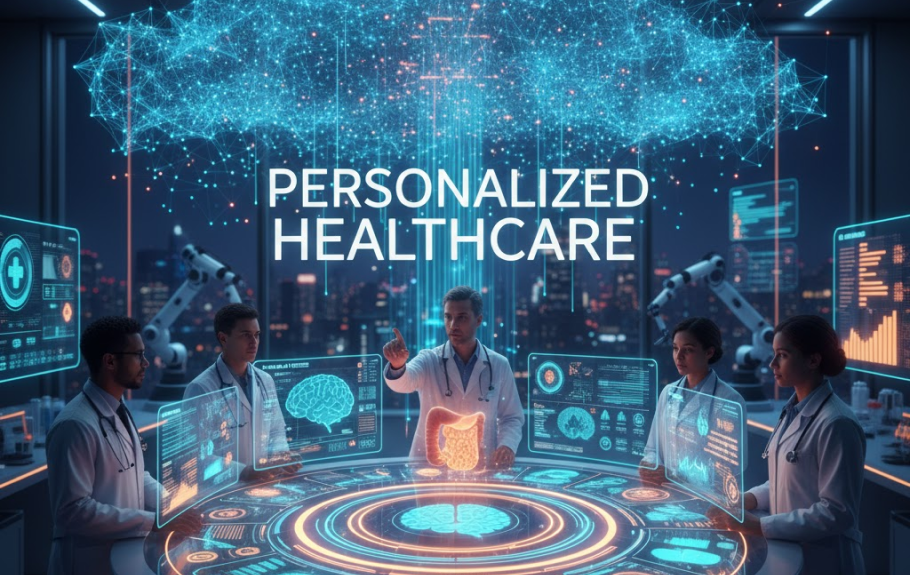
Machine learning enables the analysis of complex biological and genetic data to tailor treatments to individual patients. This precision medicine approach ensures that therapies are more effective, side effects are minimized, and recovery times are shorter.
Example: AI models assist oncologists in selecting optimal cancer therapies based on tumor genomics and patient-specific factors.
AI-powered imaging systems can now detect anomalies in X-rays, MRIs, and CT scans with accuracy comparable to — or even exceeding — human experts. These systems significantly reduce diagnostic errors and accelerate decision-making.
Example: Deep learning algorithms are used to identify tumors, fractures, or neurological abnormalities from imaging data within seconds.
Beyond clinical applications, AI is streamlining hospital operations — from patient scheduling and staffing to supply chain and inventory management. Predictive analytics help healthcare institutions optimize resources, minimize wait times, and reduce operational costs.
Example: ML-based systems predict patient admission rates and adjust staff allocation accordingly, improving care delivery and efficiency.
AI accelerates drug development by analyzing molecular structures, predicting drug efficacy, and simulating clinical trials. This shortens R&D timelines and reduces costs — a crucial advantage in responding to global health challenges.
Example: Pharmaceutical companies now use AI-driven platforms to identify promising compounds and repurpose existing drugs for new diseases.

As AI and ML become more embedded in healthcare systems, ethical considerations and data privacy take center stage. Responsible AI ensures that:
Healthcare analytics must balance innovation with integrity — ensuring that technology serves humanity, not the other way around.

Regus - Ahmedabad, Privilon SG Highway, 2nd Floor, East Wing, Privilon, Ambli Road, Sarkhej - Gandhinagar Highway, Ahmedabad, Gujarat 380058